
AEO and GEO Might Be PR’s Biggest Opportunity in Years

PR agencies have always adapted to new ways people find information, from websites to social media.
AI is the next shift, and it plays right to what PR does best.
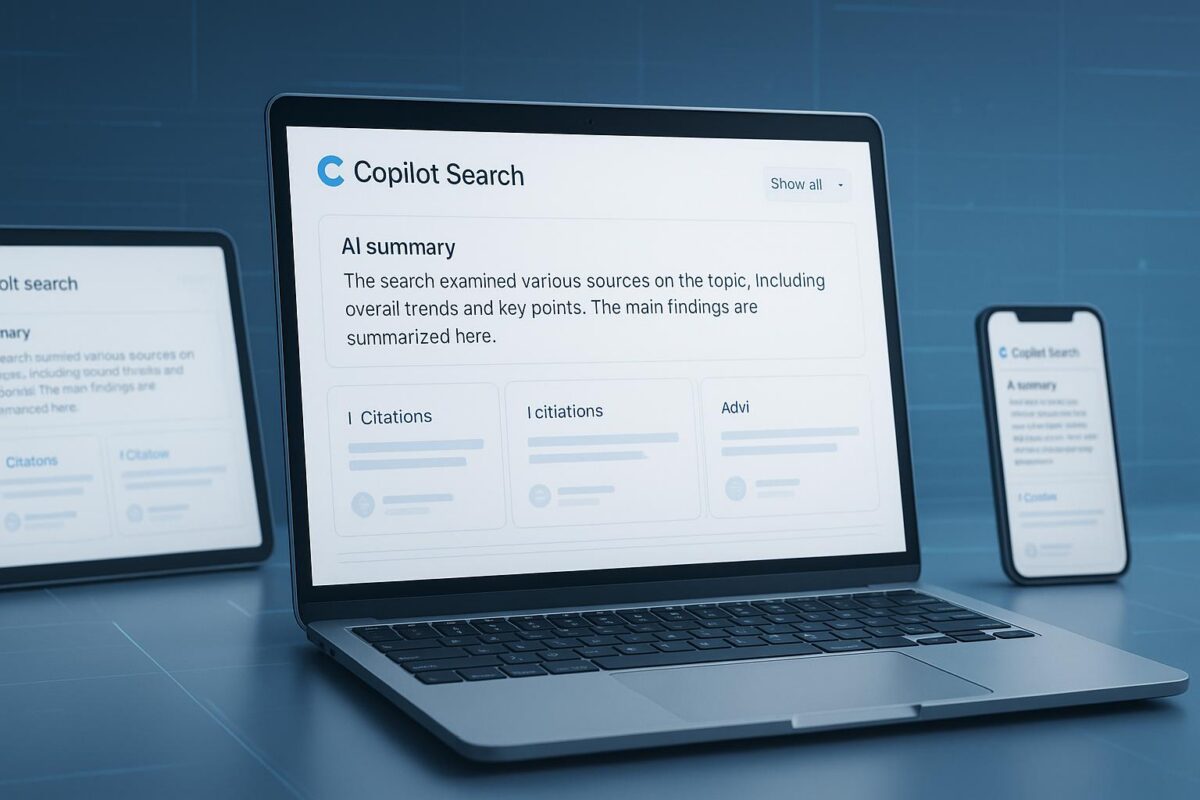
More people are asking AI tools like ChatGPT, Gemini and Perplexity for answers instead of clicking through results on their own. A randomized study from Carnegie Mellon and the Indian School of Business found that Google’s AI Overviews alone cut clicks to websites by about 40%. When people get the answer without clicking, being named in that answer is what counts. That’s where AEO and GEO come in, and both are a big opportunity for PR agencies.
What AEO and GEO mean
AEO, or answer engine optimization, is about getting a brand included in the direct answers AI assistants give people.
GEO, or generative engine optimization, is about how a brand shows up when tools like ChatGPT or Gemini write a response, including which sources they pull from and cite.
Both come down to the same question: which sources does AI trust enough to use?
Why credibility matters to AI
When an AI tool puts together an answer, it must decide which sources to rely on. Trust is everything for these tools, and people keep using an assistant when its answers hold up. So they lean on sources with a track record, like established news outlets, respected trade publications, research and original documents. That’s the same kind of coverage PR agencies have spent years earning for their clients.
The numbers back this up. A Muck Rack study of more than 25 million links cited by ChatGPT, Claude and Gemini found that 84% came from earned sources. Paid and advertorial content made up just 0.3%.
What’s changing in AI citations
The sources AI trusts can shift quickly. Reddit was one of ChatGPT’s most common sources through the summer of 2026. Then in August, its share of ChatGPT citations dropped about 86% in a couple of weeks. A lot of the advice about getting brands mentioned on Reddit stopped working almost overnight.
Citations move around in general, too. Profound found that 40 to 60% of the sources AI tools cite change from one month to the next. Getting cited once doesn’t keep a brand in the answers.
Where PR agencies fit in
A lot of AEO and GEO advice focuses on website content and technical fixes. Those matter, but they only cover what a brand says about itself. AI tools also look at what credible third parties say about it, and that’s where PR comes in.
1. Earned media drives AI visibility
A placement in a credible outlet is worth more than a pile of mentions, especially if that outlet does its own reporting. PR teams that can land good stories in credible publications are in a great position, because that coverage keeps working long after it runs. Since AI citations change so often, steady coverage over time matters more than one big hit, and that’s how most PR programs already work.
2. Precision beats reach
One solid article in a respected trade publication could influence every answer an AI gives on that topic. An OtterlyAI and Press Ranger study found that niche and trade outlets carried most of the news citations in 15 of 16 US industries. That gives PR teams a clear target: the outlets their industry, and the AI tools, already trust.
3. Substance gets rewarded
AI tools look for facts like numbers, outcomes, comparisons and third-party validation. That’s a great opening for PR teams with actual data, credible spokespeople and claims they can back up. The more substance a story has, the more likely it is to show up in AI answers.
The bottom line
AEO and GEO are changing how brands get found. As AI tools move away from sources like Reddit and lean on credible publications, earned coverage keeps getting more valuable. That’s good news for PR agencies. Earning credible coverage has always been the job, and now that coverage also shapes what AI tells people about a brand.